Car Care Tips
Simple maintenance habits that help improve vehicle reliability, safety, and long-term performance.
Why Regular Vehicle Maintenance Matters
Your vehicle depends on routine care to stay safe, reliable, and performing at its best.
Oil Change & Automotive Fluids
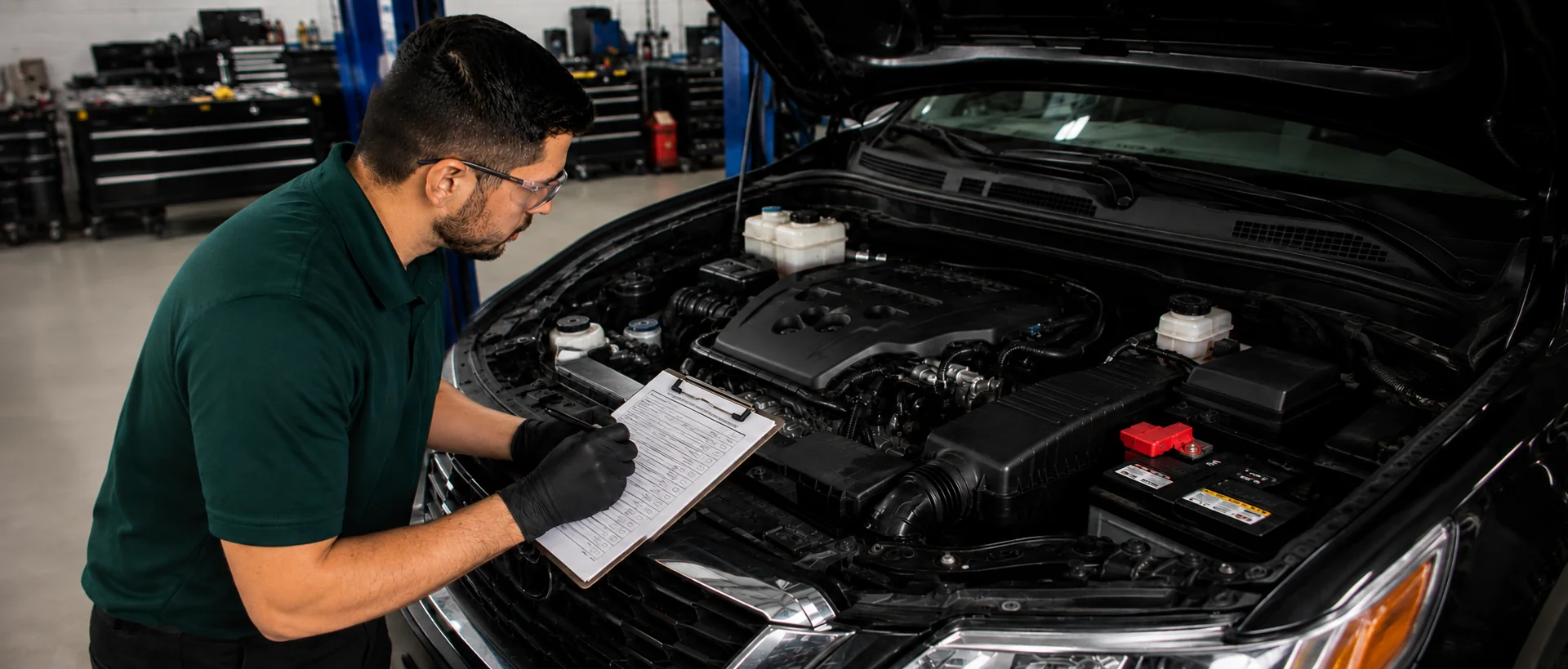
Engine & Fluid Care
Change Motor Oil
- One of the most important preventive maintenance items
- Old oil forms sludge, reducing engine performance
- Protects engine components and maintains fuel economy
Change Brake Fluid
- Follow your owner's manual for recommended intervals
- Essential for proper hydraulic brake performance
- Watch for leaks or any reduction in braking effectiveness
Check Coolant
- Prevents overheating in summer and freezing in winter
- Monitor coolant levels and temperature warning lights
- Follow manufacturer intervals to keep the system healthy
Automotive Part Replacement
Parts & Systems
Replace Brakes
- Pads and rotors wear down through normal use
- Stop-and-go driving accelerates wear rates
- Replace pads at the manufacturer's recommended limit
Check Car Battery
- Most batteries last 3–5 years depending on climate
- Keep terminals clean and free of corrosion
- Avoid extended periods without driving to preserve charge
Replace Headlights
- Lenses oxidize over time, reducing visibility
- Parking indoors helps slow lens degradation
- Replace in pairs for consistent, even illumination
Change Air Filters
- Clogged engine filters reduce performance and fuel economy
- Cabin filters affect interior air quality and HVAC
- Inspect both filters annually or per manufacturer schedule
Change Oil Filter
- Traps contaminants that can damage engine components
- Typically replaced with every oil change
- Follow your vehicle's recommended service schedule
Tires & Wheels
Tire & Wheel Maintenance
Check Wheel Alignment
- Misalignment causes uneven wear and shortens tire life
- Potholes and curbs can knock wheels out of alignment
- Have alignment checked if your vehicle pulls to one side
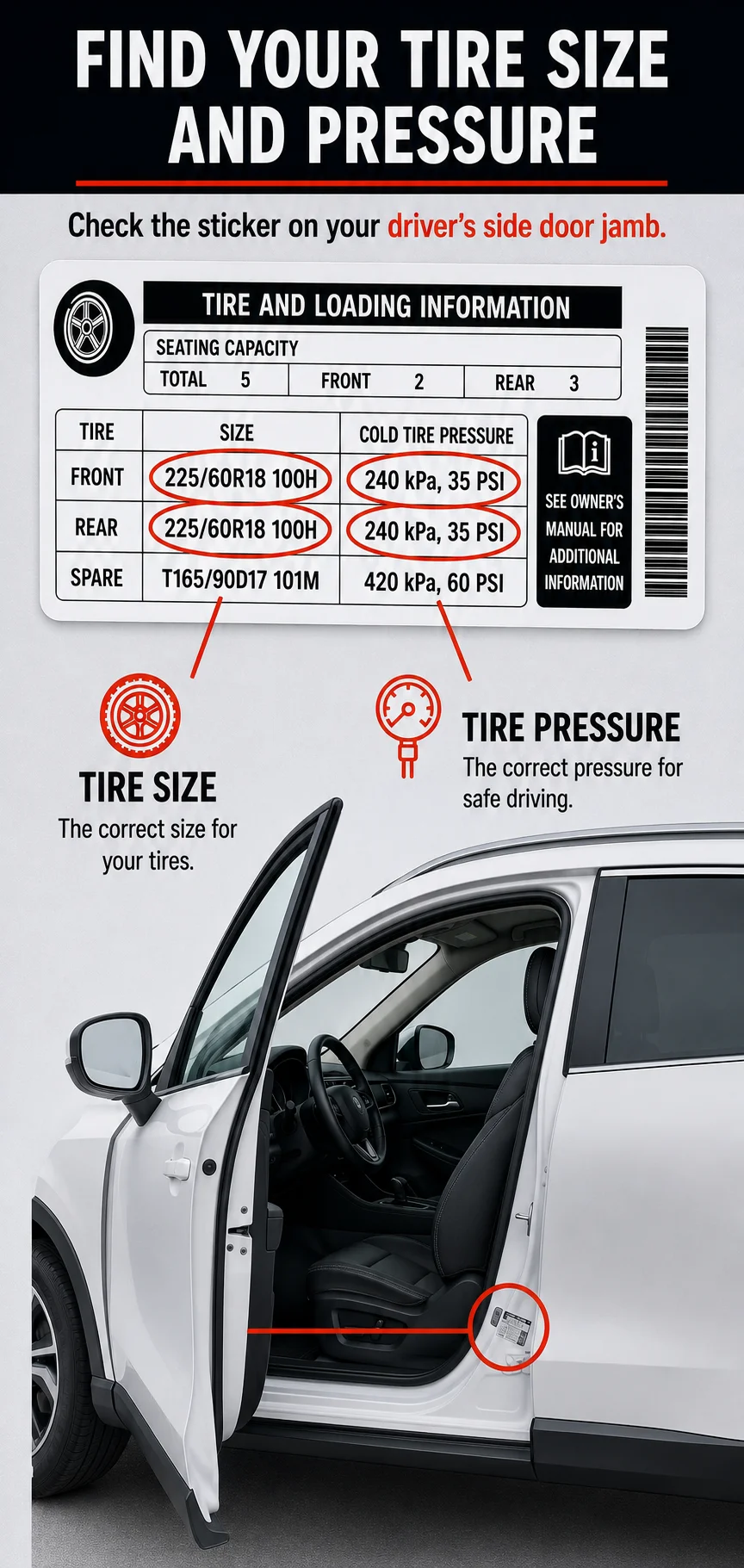
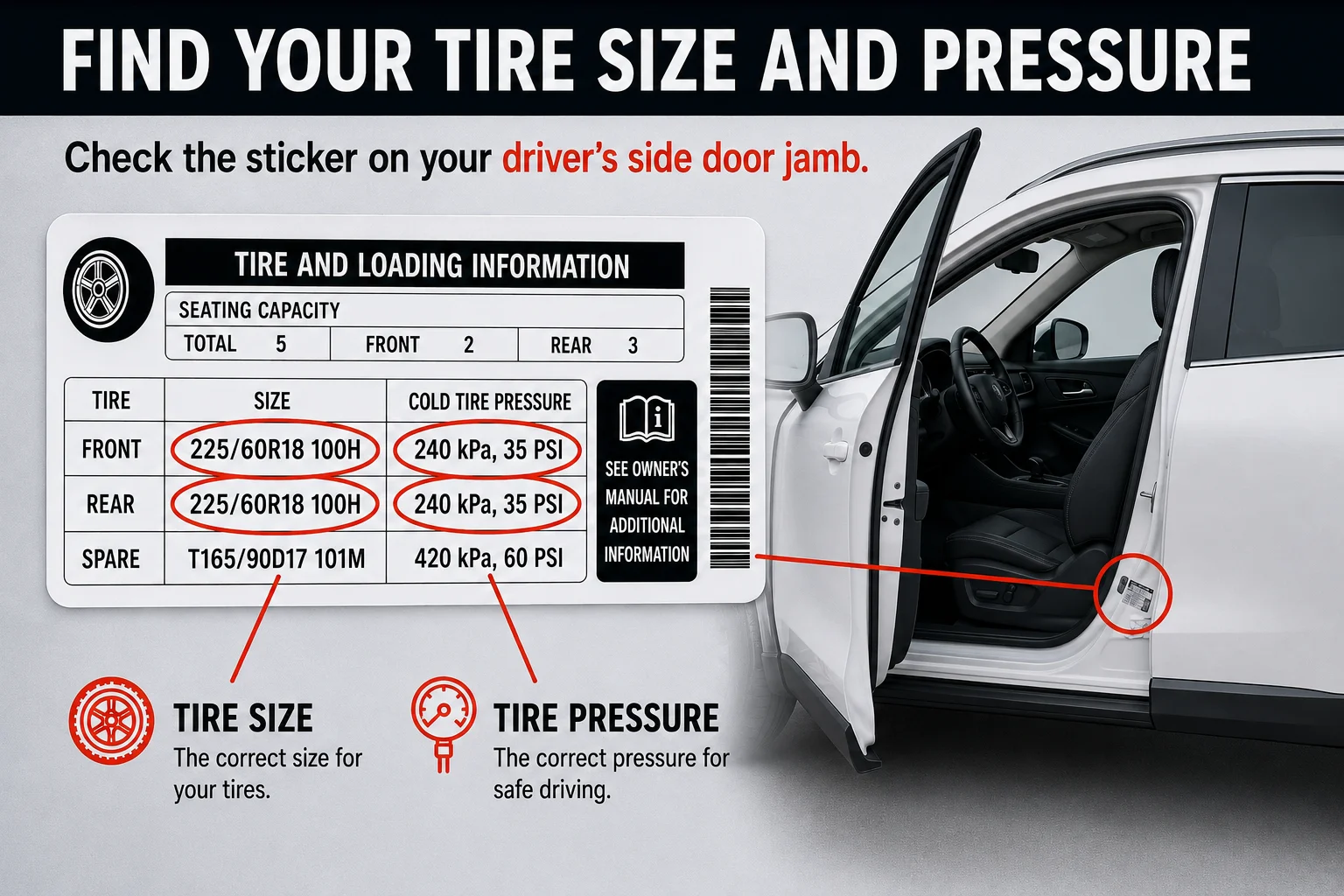
Rotate Tires
- Regular rotation extends tire life with even tread wear
- Follow the manufacturer's recommended rotation schedule
- Can save money by delaying tire replacement
Limit Stop-and-Go Driving
- Frequent stops increase wear on brakes and engine
- Reduces fuel economy vs. longer consistent drives
- Combine errands into a single trip to reduce wear
Take Care of Your Car So It Takes Care of You
Staying on top of routine maintenance and addressing automotive issues promptly is the single best way to protect your investment and ensure every journey is a safe one.
Frequently Asked Questions
Common vehicle maintenance questions answered
Follow the maintenance schedule outlined in your owner's manual. Regular service intervals help maximize performance and reliability.
Oil change intervals vary by vehicle and oil type. Consult your owner's manual or speak with a service advisor for recommendations.
Routine inspections can identify minor issues before they become costly repairs and help ensure safe vehicle operation.
Regular maintenance, proper tire inflation, clean filters, and timely oil changes can all help improve fuel economy.
Oil changes, tire maintenance, brake inspections, fluid checks, and manufacturer-recommended services are among the most important maintenance items.
Warning lights, unusual noises, reduced performance, vibrations, fluid leaks, and scheduled maintenance intervals are all indicators that service may be needed.
Keep Your Vehicle Running Its Best
Routine maintenance helps improve reliability, extend vehicle life, and keep you safely on the road. Schedule service with our team or find a location near you.